Mark Gregory Tejada Begonia
Mississippi State University. M.S. thesis, Biomedical Engineering. 2009-08.
Les titres, résumés et légendes des publications sont présentés en anglais.
Due to traumatic brain injury (TBI), numerous studies have focused on comprehensively determining the mechanical properties of the brain. This study examined the strain rate dependence of porcine brain under compression, and the microstructural damage was quantified using a confocal microscope and graphical user interface (GUI). The selected strain rates were 0.10 s⁻¹, 0.025 s⁻¹, and 0.00625 s⁻¹ while the strain levels targeted for confocal imaging were 15%, 30%, and 40%. This study also characterized the stress-state dependence at a strain rate and strain level of 0.10 s⁻¹ and 40%, respectively, under compression, tension, and shear. Strain rate dependency data exhibited viscoelastic behavior, and the analysis parameters correlated with increasing strain rate and strain level. Stress-state dependency data demonstrated distinct nonlinear behavior, and disparities were observed in the analysis parameters between different testing modes. Finite element procedures can implement this supplementary data for devising more realistic models.
Utilisation des équipements
Un Mach-1 testait du cerveau porcin en compression non confinée à 0,00625–0,1 s⁻¹. Pour comparer les états de sollicitation, compression, traction et cisaillement à extrémités fixées atteignaient 40 % de déformation à 0,1 s⁻¹. Des montages collés adaptés servaient à la traction et au cisaillement; la microscopie confocale suivait les essais.
Article et documents
Consulter la source
Matériaux (1)
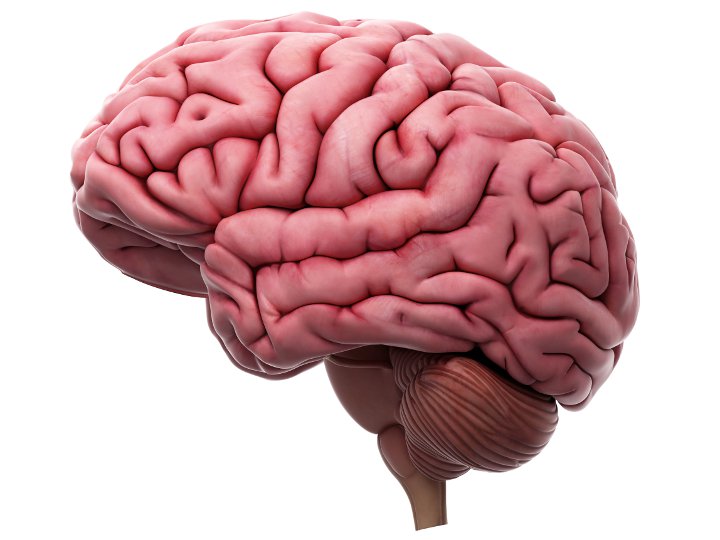
Cerveau
Configurations de test (3)

Tension

Compression Non-Confinée
