Ruiye Bi; Xianni Yang; Haohan Li; Yanjing Zhan; Qing Yin; Han Fang; Ziqian Wang; Binbin Ying; Haopeng Yu; Songsong Zhu
Science Advances, Vol 12, Issue 1, Published: 2 Jan 2026
https://doi.org/10.1126/sciadv.ady4112
4 citations · 4 en 2025–2026
Les titres, résumés et légendes des publications sont présentés en anglais.
Abstract
Osteoarthritis (OA) is a disabling condition with pathological remodeling of different joints, resulting in impaired function of the whole musculoskeletal system in vertebrates. Fibrocartilage has poor self-repair capacity after OA, leading to restricted treatment strategies and unsatisfying clinical efficacy. Recently, we constructed the spatiotemporal multiomic landscape of fibrocartilage and connective tissue in human temporomandibular joint (TMJ)–OA, observing that adjacent connective tissue could transform to fibrocartilage in TMJ-OA. We found that the COL5A1+ fibroblast population, derived from perivascular niche, contributes to fibrocartilaginous extracellular matrix (ECM) transformation. Multijoint analysis showed that integrin αV/β5 was universally activated in OA joints, which led to increased fibrocartilaginous transcription but disarranged ECM transformation in connective tissues. In OA mouse models and a TMJ-OA miniature pig model, inhibition of integrin αV/β5 activity using cilengitide facilitated the transcriptional reprogramming of Col5a1+ fibroblast and functional remodeling of the connective tissues. Our findings verified the effectiveness of cilengitide and provided a clinical route for fibrocartilage injury repair in OA.
Utilisation des équipements
Le Mach-1 Mechanical Tester a réalisé des indentations sphériques uniaxiales sur des échantillons tissulaires d’articulation temporomandibulaire humaine dans du PBS. Un système de repérage par caméra aidait au positionnement de la grille d’essai, et la mécanique des tissus humains était représentée par des cartes du module de Young. La nanoindentation des tissus murins a été effectuée séparément avec un appareil Piuma, et non avec le Mach-1 Mechanical Tester.
Matériaux (5)

Cartilage articulaire

Cartilage articulaire (réparation)
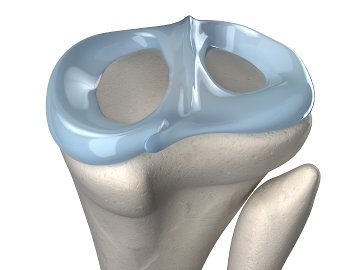
Ménisque

Ligament et tendon
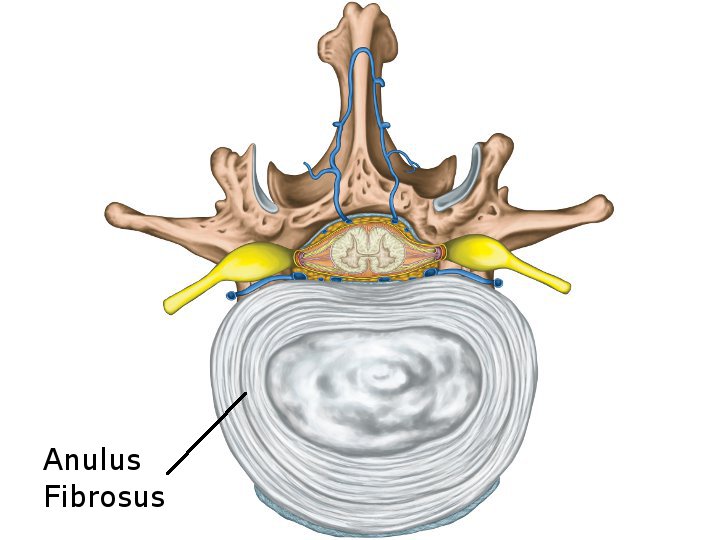
Disque (anneau fibreux)
Configurations de test (3)

Indentation (Raideur)

Stimulation mécanique (compression)
