J. E. Chong
Université de Toronto
Les titres, résumés et légendes des publications sont présentés en anglais.
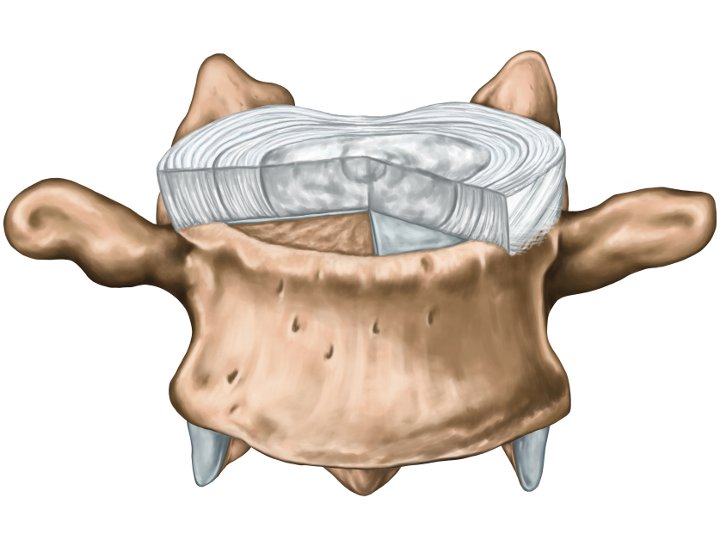
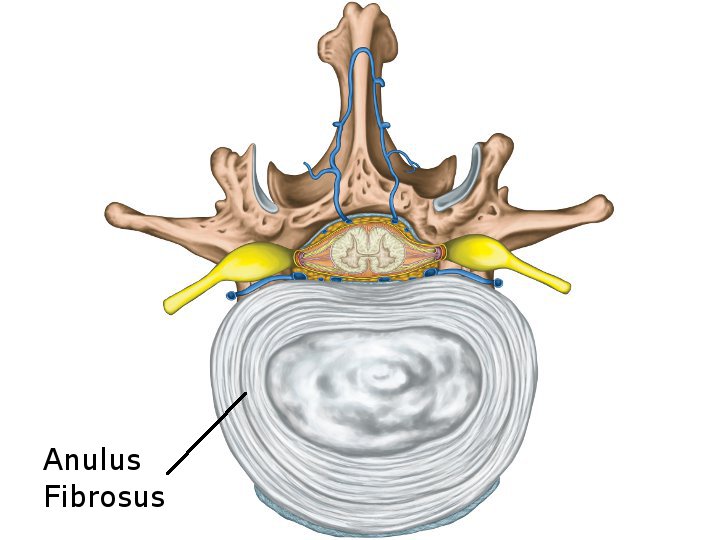
Tissue-engineering research to date has neglected to address the annulus fibrosus (AF) cartilage endplate (CEP) interface of the intervertebral disc. It was hypothesized that in vitro formed outer AF and cartilage tissues will integrate inco-culture to form an interface containing ECM that resembles the native interface, and that can be mechanically and compositionally enhanced through dynamic loading. 2-week old in vitro OAF tissues integrated with 3-day old in vitro cartilage by 1 week ofco-culture, and resembled the distributions of collagen type I, collagen type II and aggrecan seen in the native interface.
The apparent tensile strength of the in vitro interface increased between 2 and 4 weeks of co-culture. Dynamic mechanical loading did not enhance the mechanical strength, appearance, or composition of the interfacial matrix. This study demonstrated the ability to engineer a biological AF-CEP interface model, and will assist in defining how future tissue-engineered disc replacements should be developed.
Utilisation des équipements
Le Mach-1 appliquait une compression cyclique à des constructions anneau fibreux externe–plateau cartilagineux. La résistance à la séparation était mesurée séparément avec un système Instron.
Article et documents
Consulter la thèse (PDF)
Matériaux (3)

Configurations de test (1)
