Dila Kavame
McGill University. MSc thesis in Human Genetics, March 2022. Original abstract: English.
Les titres, résumés et légendes des publications sont présentés en anglais.
Vitamin D is fundamental to mineral homeostasis, and bone development. Disorders in vitamin D metabolism lead to pathologies. For example, loss-of-function mutations in the CYP24A1 gene were discovered as the first underlying genetic defects in Idiopathic Infantile Hypercalcemia (IIH). Recently, it has been reported that the R396W mutation in the CYP24A1 gene is detected at high frequency in IIH patients. Our team previously showed that Cyp24a1- null mice with a deletion of exons 9-10, unable to produce 24,25(OH)2D3, mimicked the disease IIH. The mice also displayed impaired callus formation during the endochondral phase of fracture repair. Based on this earlier work, we hypothesized that a humanized mouse model sporting the site-specific R396W mutation will also exhibit impaired fracture repair. We commercially contracted out the R396W knock-in embryonic stem (ES) cells and generated R396W-CD1 mouse strain which is a valid mimic of the IIH human condition. We then performed rodded tibial osteotomy on wild-type, heterozygous and homozygous R396W mutated mice. We harvested healing bones at intervals and tested their biomechanical properties. Despite experimental challenges, torsion tests showed decreased stiffness of the healing calluses in mutant animals. Micro-Computed Tomography (µCT) scanning, and 3-Point Bending Tests (3PBT) showed significant differences in load at break (strength) in both male and female mutants compared to heterozygous and/or wild-type littermates. Our results indicate that the humanized preclinical model of IIH, R396W-CD1 strain, has similar phenotypic manifestations to the original Cyp24a1-null mice. Furthermore, we suggested that 24,25(OH)2D3 has an earlier effect during fracture repair than previously evaluated.
Utilisation des équipements
Un Mach-1 avec le module de torsion MA303 testait les tibias de souris en consolidation, l’extrémité proximale étant fixée et l’autre tournée à 0,5°/s. Les courbes couple–rotation donnaient rigidité torsionnelle et propriétés de rupture. La flexion trois points utilisait un Instron 5943 distinct.
Article et documents
Consulter la source
Matériaux (1)
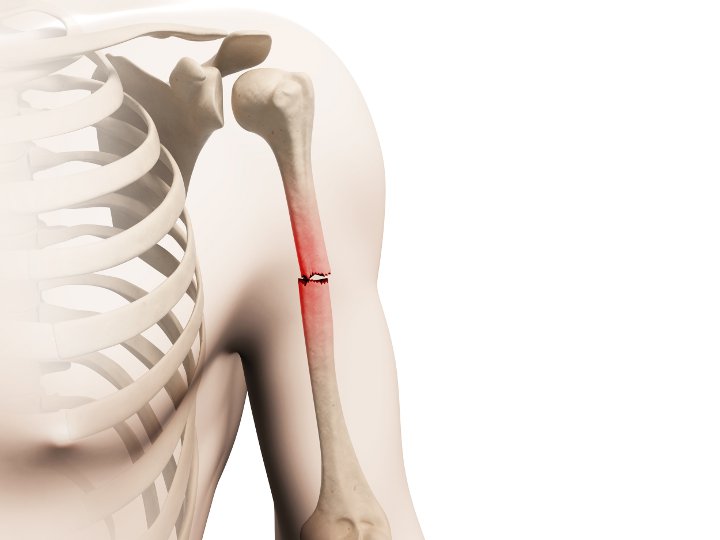
Os (réparation)
Configurations de test (1)
