Antonio E. Forte; Stephen M. Gentleman; Daniele Dini
Biomechanics and Modeling in Mechanobiology. 2017;16(3):907-920. Online: 2016-12-08.
https://doi.org/10.1007/s10237-016-0860-8
129 citations · 26 en 2025–2026
Les titres, résumés et légendes des publications sont présentés en anglais.
Editorial summary
Human brain tissue was examined experimentally to characterize differences in its mechanical response and improve the material descriptions used in computational models. Compression and relaxation measurements assessed the nonlinear, time-dependent behavior of white and grey matter under controlled testing conditions. The study considers how experimental factors, including loading rate and sample conditions, influence the measured response. Its findings emphasize the importance of tissue heterogeneity and testing protocols when selecting constitutive properties for simulations of brain deformation. The measurements concern tissue specimens rather than the performance of a clinical diagnostic test.
Utilisation des équipements
Note de référencement — Tissu cérébral humain : essais de compression et de relaxation avec le Mach-1 et une cellule de charge uniaxiale de 1,5 N.
Matériaux (1)
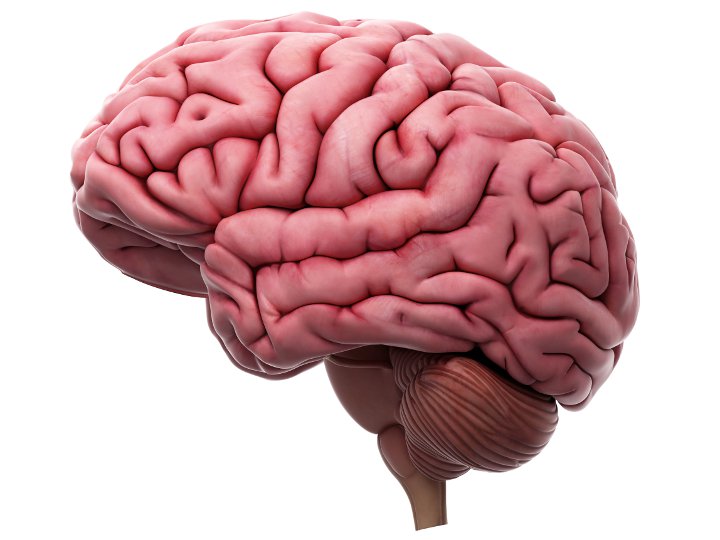
Cerveau
Configurations de test (1)
