Binette JS; Laflamme F; Li W; Valverde-Franco G; Tran-Khanh N; Quenneville E; Henderson JE; Buschmann MD
Paper presented at the 11th Canadian Connective Tissue Conference, Montreal, QC, Canada. (2005)
Les titres, résumés et légendes des publications sont présentés en anglais.
Recent advances in murine molecular genetics has enabled the production of mice with targeted disruption of genes that regulate cartilage and bone metabolism. These mice represent excellent models to study the 0 16 Wild Type etiology and progression of complex diseases, including arthritis. Mice lacking FGFR3-/- exhibit defects in cartilage and bone metabolism by 4 months of age Novel technology has been developed to test the biomechanical properties of mouse articular cartilage. It was determined that the load bearing surface of the left humeral head of FGFR3-/- mice was significantly less stiff (p<0.005) than that of wild type littermates
Utilisation des équipements
Le résumé disponible décrit une évaluation biomécanique du cartilage articulaire de souris, comparant la rigidité de la surface portante de la tête humérale gauche chez des souris déficientes en FGFR3 et leurs congénères de type sauvage. Il n’identifie pas l’appareil d’essai et ne fournit aucun protocole d’indentation; le rôle du Mach-1 Mechanical Tester ne peut donc être vérifié.
Article et documents
Document
Consulter l’affiche (PDF)
Matériaux (2)

Matériau
Cartilage articulaire
Matériau
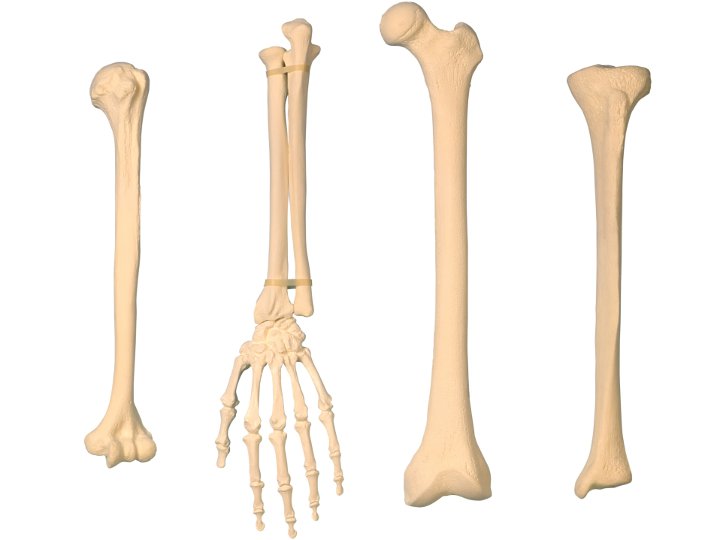
Os
Configurations de test (2)

Configuration de test
Indentation (Raideur)

Configuration de test