G. Valverde-Franco
Hum Mol Genet, 13(3), 271-284
https://doi.org/10.1093/hmg/ddh034
139 citations · 4 en 2025–2026
Les titres, résumés et légendes des publications sont présentés en anglais.
Mutations that cause constitutive activation of fibroblast growth factor receptor 3 (FGFR3) result in skeletal disorders that are characterized by short-limbed dwarfism and premature closure of cranial sutures. In previous work, it was shown that congenital deficiency of FGFR3 led to skeletal overgrowth. Using a combination of imaging, classic histology and molecular cell biology we now show that young adult FGFR3(-/-) mice are osteopenic due to reduced cortical bone thickness and defective trabecular bone mineralization. The reduction in mineralized bone and lack of trabecular connectivity observed by micro-computed tomography were confirmed in histological and histomorphometric analyses, which revealed a significant decrease in calcein labelling of mineralizing surfaces and a significant increase in osteoid in the long bones of 4-month-old FGFR3(-/-) mice. These alterations were associated with increased staining for recognized markers of differentiated osteoblasts and increased numbers of tartrate-resistant acid phsophatase postitive osteoclasts. Primary cultures of adherent bone marrow-derived cells from FGFR3(-/-) mice expressed markers of differentiated osteoblasts but developed fewer mineralized nodules than FGFR3(+/+) cultures of the same age. Our observations reveal a role for FGFR3 in post-natal bone growth and remodelling, which identifies it as a potential therapeutic target for osteopenic disorders and those associated with defective bone mineralization.
Utilisation des équipements
Le Mach-1 mesurait la résistance et la rigidité des fémurs en flexion trois points dans une étude de minéralisation osseuse chez la souris.
Article et documents
Document
Consulter dans PubMed
Matériaux (1)
Matériau
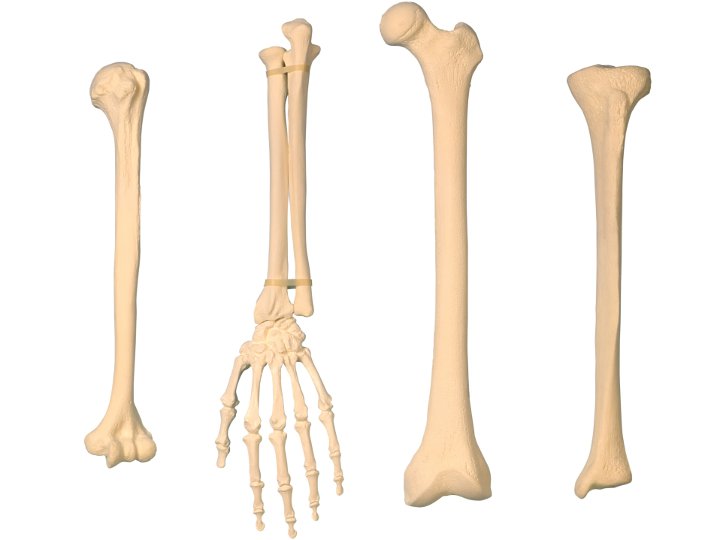
Os
Configurations de test (2)

Configuration de test
Indentation (Raideur)

Configuration de test