Zakaria, Matthew
Thesis. 2025.
0 citations · 0 en 2025–2026
Les titres, résumés et légendes des publications sont présentés en anglais.
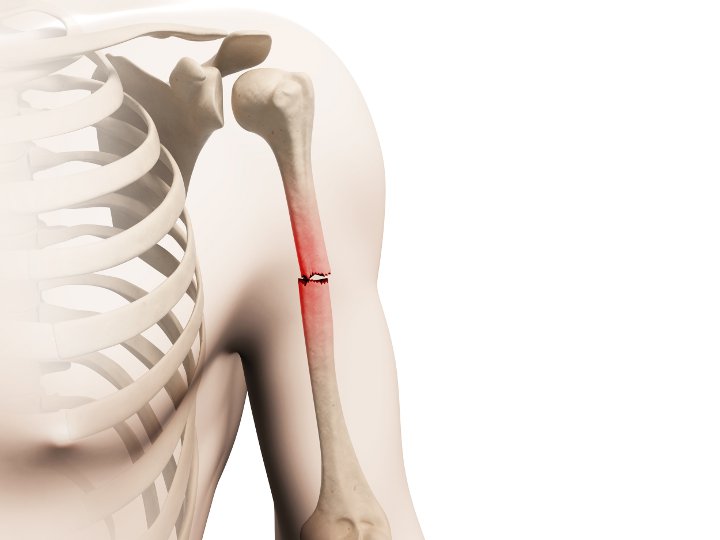
Delayed bone healing has an impact on financial and logistic burdens for patients, surgeons, and health care institutions. Impairment to bone healing cost upwards of $22 billion USD annually world-wide. With surgical options limited there is the need for innovation and the development of alternatives. An intriguing discovery within the ear of surfers that showed new bone formation following acute exposure to cold water has led to an interest in cold based approaches. This research builds from a pilot study where localized cold application on a cortical defect within mice led to accelerated angiogenesis and mineralized bridging. The next steps involve introducing the utilization of a fracture model representing better clinical relevance. Within a fracture, a consistent trend of enhanced bone repair became evident. Angiogenesis is enhanced following cold application from the generation of a heightened hypoxic microenvironment and plays an important role early in fracture repair by vascularizing new bone that is essential for the development of callus. Mineralization is facilitated leading to expedited bony callus formation and bone remodeling is reflected in enhanced biomechanical properties as the bone approaches native structural integrity. Onwards, necessary pursuance of biomarkers and signaling pathways to unravel and optimize afflicted pathways by acute cold. Specific groups of receptors have responsibility for tracking cold fluctuations and are intermediaries in physiological impact. Acute cold not only increases the presence of these receptors within a bone injury, but also affects secondary vasoconstricting effects on blood vessels that develops an enhanced hypoxic microenvironment promoting the formation of blood vessels. Tracing back to fundamentals led to recognizing the importance of cellular adaptation in response to cold temperatures through the activation of cold shock proteins involved in activating such mechanisms in an injury. Cold shock proteins necessary for cellular survival are seen in response to acute cold shock, but also stimulate pathways involved in bone formation such as mineralization. Calcium in particular plays an important role in mineralization as it is an essential part of bone structure. Calcium is mainly regulated by detection of fluctuating calcium levels found with blood. The fluctuate detector, known as calcium sensing receptors, are is critical for monitoring calcium levels. With such an evident response on mineralization pathways following cold exposure, further exploration is needed to highlight interesting avenues for application. This presents an ample opportunity to learn more about acute cold’s impact on calcium sensing receptors and calcium uptake by reverse engineering synergistic effects with parathyroid hormone (PTH). PTH increases calcium levels by bone resorption and calcitonin to decrease calcium levels by bone absorption. PTH itself is an FDA approved bone anabolic stimulator as it has a counter-intuitive mechanism that initially favors bone formation prior to bone resorption making a bone injury site a beneficiary. However, translating pre-clinical research to clinical research involves relatively high dosage PTH usage over time that may lead to a hypercalcemic environment that has negative effects on bone morphology along with an increased risk of bone cancer formation. Incorporating cold leads to a decreasing effect on calcium levels while mineralization increases. This effect aligns with increased activation of calcium-sensing receptors in the bone injury region. Cold also offsets imbalances resulting from PTH concerning resorption and formation in new bone development while synergistically coupling PTH’s rapid development of a callus and cold’s enhancement of mineralization. Of significant importance, the same positive findings of accelerated angiogenesis and enhanced mineralization was evident following the usage of cold.
Utilisation des équipements
Un Mach-1 mesurait la réponse locale à l’indentation du cal de fémurs de souris après traitement par le froid. Un indenteur sphérique de 0,3 mm sondait des positions définies, le fémur étant immobilisé et la platine déplacée verticalement. Ces mesures de rigidité locale sont distinguées d’une traction osseuse globale ou d’une cartographie normale 3D.
Matériaux (1)
Os (réparation)
Configurations de test (1)
