Yingxi Li; Razoan Al Rimon; Faqi Wang; Haoyang Li; Slava Epelman; Michelle D Tallquist; Lindsey Westover; Gavin Y Oudit; Zamaneh Kassiri
Cardiovascular Research, Volume 122, Issue 1, Pages 112–131, Published: 12 January 2026
https://doi.org/10.1093/cvr/cvaf256
5 citations · 5 en 2025–2026
Les titres, résumés et légendes des publications sont présentés en anglais.
Abstract
Aims
Myocardial infarction (MI) triggers a complex remodeling that, if uncontrolled, leads to heart failure. Increased levels of ADAM17 (disintegrin and metalloproteinase-17) in ischemic injury has been reported, but its direct role in scar formation and subsequent recovery from MI has not been identified. We investigated the role of ADAM17 in the function of homeostatic fibroblasts (FBs) vs. activated myofibroblasts (myoFBs) in scar formation, and recovery following MI.
Methods and Results
Human myocardial specimens showed upregulated ADAM17 in the infarct tissue, colocalized to myofibroblasts. We generated two inducible genetic mouse models with Adam17 knockdown in FBs (Adam17FB−KD) or myoFB (Adam17myoFB−KD) and subjected them to MI. Loss of ADAM17 in FBs impaired infarct formation and increased mortality due to left ventricular (LV) rupture in males and females. In contrast, ADAM17 loss in myoFBs limited infarct expansion, LV dilation and dysfunction up to 4-wks post-MI. Macrophage infiltration was suppressed in both genotypes. Ex vivo and in vitro experiments revealed that loss of ADAM17 in myoFB resulted in scar tissue with reduced stiffness due to suppressed activation of epidermal growth factor receptor and the Yes-associated protein (YAP) pathway. This promoted VEGFR signaling, endothelial cell (EC) proliferation, and vascularization in the infarcted myocardium, limiting infarct expansion. RNAseq analyses showed drastic changes in extracellular matrix (ECM) genes in Adam17KD FB and myoFBs in hypoxia. In vitro co-culture of myoFB and ECs confirmed that the ECM deposited by Adam17-deficient myoFB promotes EC proliferation and sprouting. Pharmacological inhibition of ADAM17 before MI was ineffective, but short-term ADAM17 inhibition after MI (targeting the myoFBs), limited infarct expansion, LV dilation and dysfunction up to 4-weeks post-MI.
Conclusion
Short-term inhibition of ADAM17 after MI optimizes the compliance of the infarct tissue, promoting vascularization, limiting infarct expansion, preventing long-term adverse LV remodeling, dysfunction, and heart failure. Targeting the homeostatic FB vs. myoFB also highlights the critical timing of ADAM17 inhibition as its presence is essential for the initial healing of the infarcted heart, but inhibition of its persistent upregulation reduces scar stiffness and improves the outcome post-MI.
Utilisation des équipements
La section de méthode mentionne un appareil Mach-1 et décrit des essais de indentation et de mesure locale.
Les détails du protocole sont conservés en anglais dans cette rubrique; consulter la publication originale pour le contexte expérimental complet.
Article et documents
Consulter l’article
Matériaux (1)
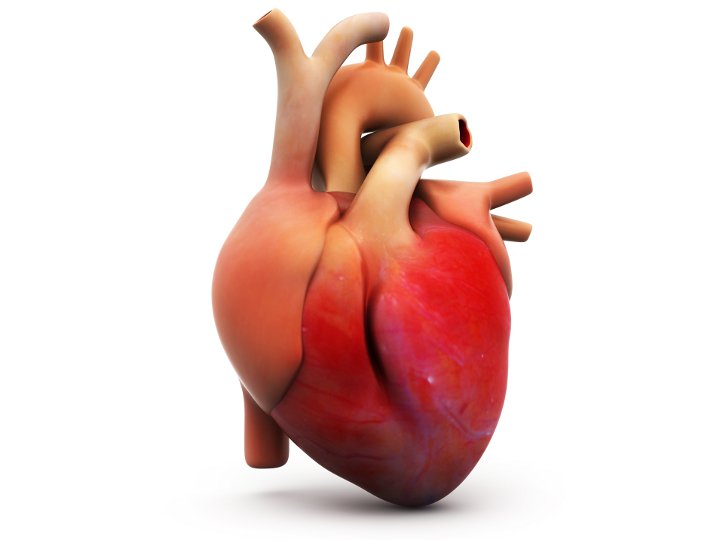
Coeur (génie tissulaire)
Configurations de test (2)

Cartographie 3D en indentation normale
