Lijun Wang; Qian Ren; Shuqin Chen; Lixiang Lou; Xuye Hu; Wenhui Xing; Jinlong Suo; Jun Sun; Matthew B. Greenblatt; Heng Feng; Weiguo Zou
Cell Reports, Volume 44, Issue 5, 115630, Published: May 27, 2025
https://doi.org/10.1016/j.celrep.2025.115630
13 citations · 13 en 2025–2026
Les titres, résumés et légendes des publications sont présentés en anglais.
Summary
The extremity tendons and bones are derived from limb bud mesenchyme, which eventually becomes cells of different tissues. Despite their common origin, it was widely believed that tenocytes and skeletal cells are distinct lineages without interconversion. However, we found that periosteal skeletal progenitor cells could transform between osteogenic and tenogenic commitment. SCX can label the periosteal progenitor cell population. Loss of Piezo1 arrests the periosteal progenitor cells in a progenitor state. Piezo1 deficiency leads to upregulation of Scx expression due to the inhibited YAP nuclear localization. Loss of Piezo1 showed increased tenogenic marker genes and decreased osteogenic marker genes. The periosteal progenitor cells can regenerate the injured tendon more robustly when Piezo1 is absent. Taken together, our data reveal that periosteal SCX+ progenitor cells compromise the osteogenic ability and acquire the tenocyte-biased lineage commitment after loss of Piezo1, providing a strategy to modulate the periosteal progenitor cells for tissue regeneration.
Tendon tension measurement
Tendons used for tension measurement were isolated freshly and stored in PBS before measurement. The max force was measured by MACH-1 V5000C (Biomomentum, Inc) with the 100 N sensor. The tendons were fixed in the sample holder. After the performance of zero load and find contact functions, the max tensile strength was measured with a velocity of 0.1 mm/s until rupture.
Keywords:
Piezo1, periosteal progenitor cells, bone repair, tendon repair & lineage plasticity
Utilisation des équipements
Le Mach-1 mesurait la résistance en traction de tendons fraîchement isolés en les chargeant jusqu’à rupture.
Article et documents
Document
Consulter l’article
Matériaux (2)
Matériau
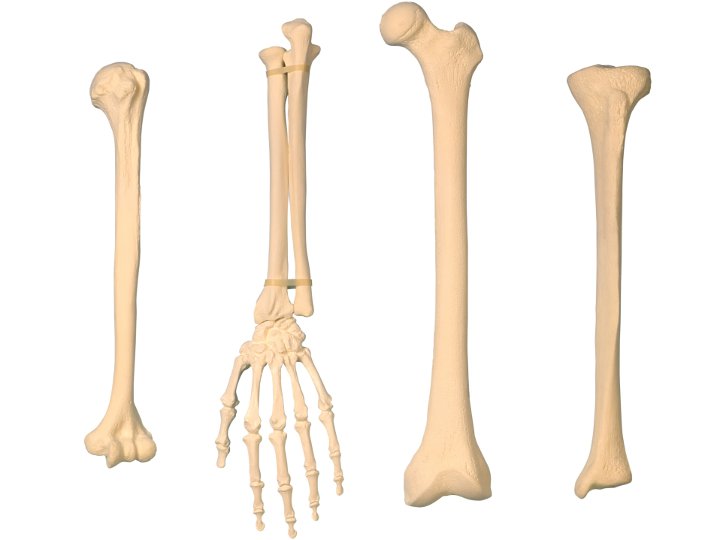
Os

Matériau
Ligament et tendon
Configurations de test (2)

Configuration de test
Tension

Configuration de test