Jaakko K. Sarin; Miika Kiema; Emma-Sofia Luoto; Annastiina Husso; Marja Hedman; Johanna P. Laakkonen; Jari Torniainen
Journal of Surgical Research, Volume 287, 2023, Pages 82-89, ISSN 0022-4804,, Published: 16 January 2023
https://doi.org/10.1016/j.jss.2023.01.016
1 citation · 0 en 2025–2026
Les titres, résumés et légendes des publications sont présentés en anglais.
Abstract
Introduction
Ascending aortic dilatation is a well-known risk factor for aortic rupture. Indications for aortic replacement in its dilatation concomitant to other open-heart surgery exist; however, cut-off values based solely on aortic diameter may fail to identify patients with weakened aortic tissue. We introduce near-infrared spectroscopy (NIRS) as a diagnostic tool to nondestructively evaluate the structural and compositional properties of the human ascending aorta during open-heart surgeries. During open-heart surgery, NIRS could provide information regarding tissue viability in situ and thus contribute to the decision of optimal surgical repair.
Materials and methods
Samples were collected from patients with ascending aortic aneurysm (n = 23) undergoing elective aortic reconstruction surgery and from healthy subjects (n = 4). The samples were subjected to spectroscopic measurements, biomechanical testing, and histological analysis. The relationship between the near-infrared spectra and biomechanical and histological properties was investigated by adapting partial least squares regression.
Results
Moderate prediction performance was achieved with biomechanical properties (r = 0.681, normalized root-mean-square error of cross-validation = 17.9%) and histological properties (r = 0.602, normalized root-mean-square error of cross-validation = 22.2%). Especially the performance with parameters describing the aorta's ultimate strength, for example, failure strain (r = 0.658), and elasticity (phase difference, r = 0.875) were promising and could, therefore, provide quantitative information on the rupture sensitivity of the aorta. For the estimation of histological properties, the results with α-smooth muscle actin (r = 0.581), elastin density (r = 0.973), mucoid extracellular matrix accumulation(r = 0.708), and media thickness (r = 0.866) were promising.
Conclusions
NIRS could be a potential technique for in situ evaluation of biomechanical and histological properties of human aorta and therefore useful in patient-specific treatment planning.
Reference analysis
For biomechanical measurements, a dumbbell-shaped specimen was attached to testing clamps of the commercial mechanical tester (Mach-1 v500 css, Biomomentum Inc, Laval, Canada) that was used with two load cells (17N, MA239, and 250N, MA297, Biomomentum Inc). The specimen's wall thickness and width were determined with a caliper. The specimen was preloaded (stress = 10 kPa), preconditioned (10 × 2% strain), and recovered before protocol execution. The protocol consisted of sequential stress relaxation, sinusoidal, and quasistatic stages that were used to calculate equilibrium modulus, dynamic modulus and phase difference, and quasistatic material properties (e.g., failure strain, linear modulus, and fitting parameters for the toe region), respectively.
Keywords
Aortic aneurysm; Biomechanics; Histology; Multivariate modeling; Spectroscopy
Utilisation des équipements
Le Mach-1 réalisait des essais de relaxation des contraintes, sinusoïdaux et quasi statiques en traction sur des échantillons d’aorte humaine.
Matériaux (2)

Matériau
Vasculaire (veine and artère)
Matériau
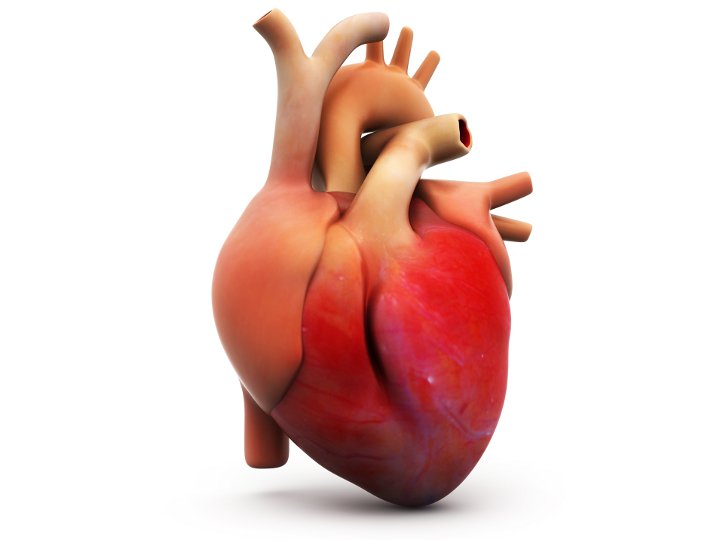
Coeur (génie tissulaire)
Configurations de test (3)

Configuration de test
Tension
Configuration de test
Relaxation des contraintes

Configuration de test