Colin J. Boyle; Magdalena Plotczyk; Sergi Fayos Villalta; Sharad Patel; Shehan Hettiaratchy; Spyros D. Masouros; Marc A. Masen; Claire A. Higgins
Science Advances, 09 Oct 2019: Vol. 5, no. 10, eaay0244
https://doi.org/10.1126/sciadv.aay0244
70 citations · 25 en 2025–2026
Les titres, résumés et légendes des publications sont présentés en anglais.
Plantar skin on the soles of the feet has a distinct morphology and composition that is thought to enhance its tolerance to mechanical loads, although the individual contributions of morphology and composition have never been quantified. Here, we combine multiscale mechanical testing and computational models of load bearing to quantify the mechanical environment of both plantar and nonplantar skin under load. We find that morphology and composition play distinct and complementary roles in plantar skin’s load tolerance. More specifically, the thick stratum corneum provides protection from stress-based injuries such as skin tears and blisters, while epidermal and dermal compositions provide protection from deformation-based injuries such as pressure ulcers. This work provides insights into the roles of skin morphology and composition more generally and will inform the design of engineered skin substitutes as well as the etiology of skin injury.
Utilisation des équipements
La section de méthode mentionne un appareil Mach-1.
Les détails du protocole sont conservés en anglais dans cette rubrique; consulter la publication originale pour le contexte expérimental complet.
Article et documents
Consulter l’article
Matériaux (2)
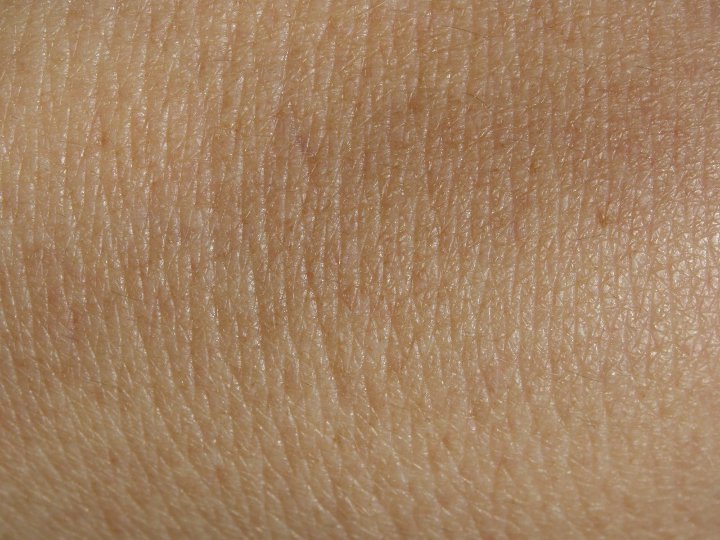
Peau

Tissu mou (plantaire)
Configurations de test (2)

Tension
