Umut Aydemir; Abdelrazek H. Mousa; Cedric Dicko; Xenofon Strakosas; Muhammad Anwar Shameem; Karin Hellman; Amit Singh Yadav; Peter Ekström; Damien Hughes; Fredrik Ek; Magnus Berggren; Anders Arner; Martin Hjort; Roger Olsson
Nat Commun 15, 6774 (2024), Published: 08 August 2024
https://doi.org/10.1038/s41467-024-51111-4
11 citations · 10 en 2025–2026
Les titres, résumés et légendes des publications sont présentés en anglais.
Abstract
Without intervention, cardiac arrhythmias pose a risk of fatality. However, timely intervention can be challenging in environments where transporting a large, heavy defibrillator is impractical, or emergency surgery to implant cardiac stimulation devices is not feasible. Here, we introduce an injectable cardiac stimulator, a syringe loaded with a nanoparticle solution comprising a conductive polymer and a monomer that, upon injection, forms a conductive structure around the heart for cardiac stimulation. Following treatment, the electrode is cleared from the body, eliminating the need for surgical extraction. The mixture adheres to the beating heart in vivo without disrupting its normal rhythm. The electrofunctionalized injectable cardiac stimulator demonstrates a tissue-compatible Young’s modulus of 21 kPa and a high conductivity of 55 S/cm. The injected electrode facilitates electrocardiogram measurements, regulates heartbeat in vivo, and rectifies arrhythmia. Conductive functionality is maintained for five consecutive days, and no toxicity is observed at the organism, organ, or cellular levels.
Utilisation des équipements
Le Mach-1 enregistrait les mouvements mécaniques thoraciques de poissons-zèbres par contact léger d’une sonde pour la sismocardiographie.
Matériaux (1)
Matériau
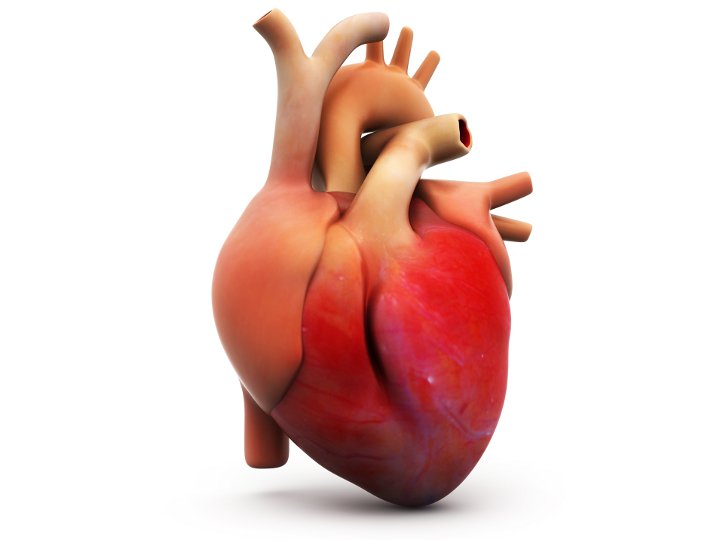
Coeur (génie tissulaire)
Configurations de test (2)

Configuration de test
Cartographie 3D en indentation normale

Configuration de test