Anne-Laure Ménard; Guy Grimard; Irène Londono; Francis Beaudry; Pascal Vachon; Florina Moldovan; Isabelle Villemure
Bone. 81 pp. 662-8 . (2015)
https://doi.org/10.1016/j.bone.2015.09.013
3 citations · 1 en 2025–2026
Les titres, résumés et légendes des publications sont présentés en anglais.
Mechanical loadings influence bone growth and are used in pediatric treatments of musculoskeletal deformities. This in vivo study aimed at evaluating the effects of static and dynamic compression application and subsequent removal on bone growth, mineralization and neuropathic pain markers in growing rats. Forty-eight immature rats (28 days old) were assigned in two groups (2- and 4 weeks experiment duration) and four subgroups: control, sham, static, and dynamic. Controls had no surgery. A micro-loading device was implanted on the 6th and 8th caudal vertebrae of shams without loading, static loading at 0.2 MPa or dynamic loading at 0.2 MPa 30% and 0.1 Hz. In 2-week subgroups, compression was maintained for 15 days prior to euthanasia, while in 4-week subgroups, compression was removed for 10 additional days. Growth rates, histomorphometric parameters and mineralization intensity were quantified and compared. At 2 weeks, growth rates and growth plate heights of loaded groups (static/dynamic) were significantly lower than shams (p < 0.01). However, at 4 weeks, both growth rates and growth plate heights of loaded groups were similar to shams. At 4 weeks, alizarin red intensity was significantly higher in dynamics compared to shams (p b 0.05) and controls (p < 0.01). Both static and dynamic compressions enable growth resumption after loading removal, while preserving growth plate histomorphometric integrity. However, mineralization was enhanced after dynamic loading removal only. Dynamic loading showed promising results for fusionless treatment approaches for musculoskeletal deformities.
Utilisation des équipements
Le Mach-1 étalonnait les chambres pneumatiques avant les expériences sur la queue des rats. La compression in vivo était appliquée par un système pneumatique distinct.
Article et documents
Document
Consulter dans PubMed
Matériaux (2)
Matériau
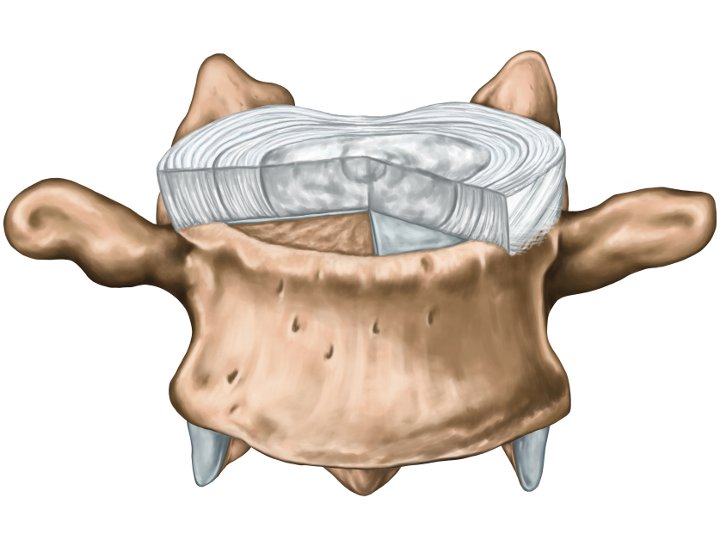
Disque (intervertébral)

Matériau