
Radial Tension Test on Rat Aorta
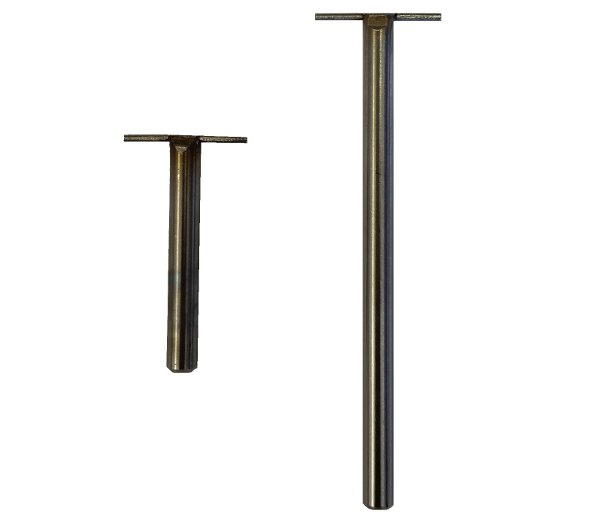
A renowned pharmaceutical research company contacted us as they needed to perform tensile test on rat aortas. Based on the article they provided and discussions we prepared a turnkey animal study to evaluate the effect of a drug on the mechanical properties of the aorta in a rat model. We managed the animal work that was performed off site as well as other characterizations, such as histology. We developed customized grips to perform tensile tests along the radial direction of the aorta.
In this study we evaluated the effect of a drug on the mechanical properties of the aorta. To address their needs, we designed a non-GLP study to perform mechanical and histological characterizations on rat aortas. One particularity of this study was the need for the characterizations to be performed on fresh specimens. To meet this requirement, the animal work and the histological analyses were subcontracted to local suppliers.
The configuration of the mechanical characterization was in tension along the radial axis, by inserting customized miniature grips into the lumen of the rat aorta. This tension test allowed the measurement of the load and elongation at rupture. Since only small segments of each aorta specimen were used, a segment adjacent to those used for the mechanical testing was used for the histological characterizations.
This study confirms previous results on the effect of this drug on rat aorta. This work laid the ground to a larger study that was performed to evaluate the effect of a new drug on the mechanical properties of the rat aorta.
Figures

Figure 1 — Show caption
Rat aortic ring mounted on the radial tension fixture, with the mechanical testing interface.

Figure 2 — Show caption
Force recorded over time during loading and relaxation of an aortic ring.

Figure 3 — Show caption
Magnified histological view of the aortic wall.

Figure 4 — Show caption
Histological cross-section showing the full aortic ring.
Products (1)
Accessories (16)




Test configurations (3)


Materials (1)

Material